Zac Hansen – Build a Coaching Business On Your Own Terms: Complete Course Review, Features, Benefits & Who It’s For
$97.00 Original price was: $97.00.$25.00Current price is: $25.00.

Zac Hansen – Build a Coaching Business On Your Own Terms
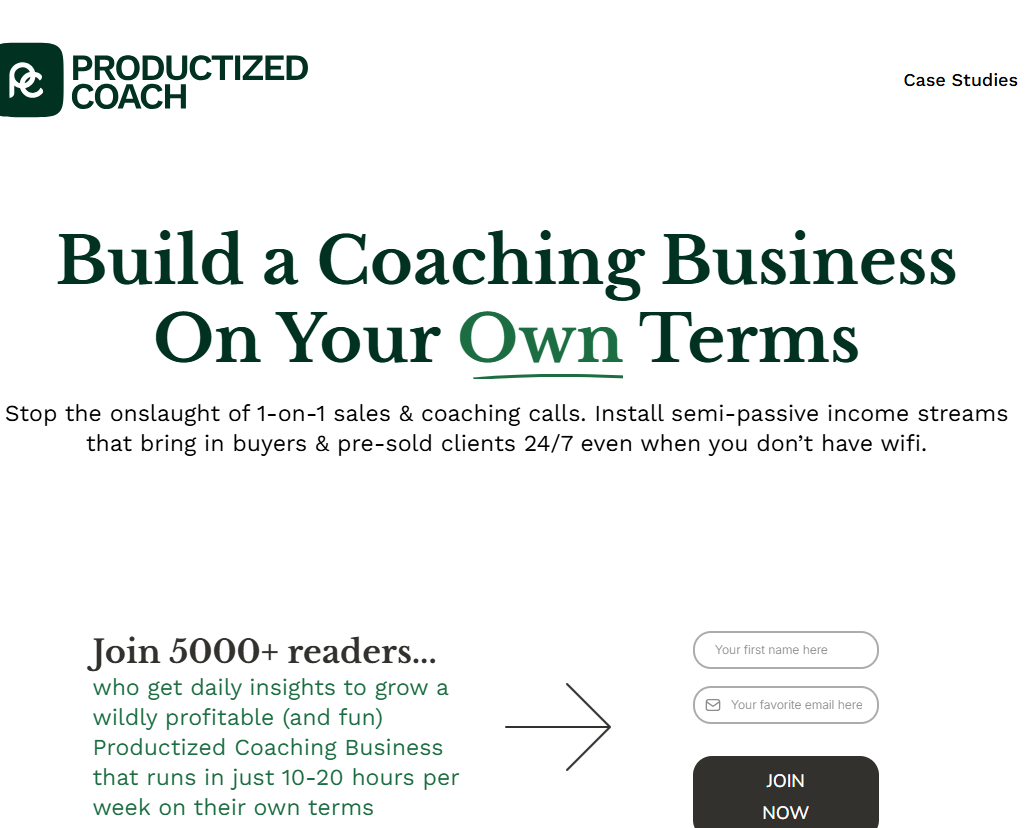
Building a successful coaching business requires much more than expertise in a specific subject. Modern coaches need effective marketing systems, client acquisition strategies, positioning, branding, sales processes, and long-term business planning. Zac Hansen – Build a Coaching Business On Your Own Terms focuses on creating a coaching business that aligns with your personal goals rather than following a one-size-fits-all blueprint.
This guide provides a complete overview of the program, its learning objectives, major concepts, potential benefits, and the type of entrepreneur who may find value in its teachings. Whether you’re starting your first coaching practice or looking to improve an existing business, understanding these principles can help create a stronger foundation for sustainable growth.
What Is Zac Hansen – Build a Coaching Business On Your Own Terms?
Zac Hansen – Build a Coaching Business On Your Own Terms is designed to teach entrepreneurs, consultants, freelancers, experts, and aspiring coaches how to develop a coaching business based on flexibility, profitability, and personal freedom.
Rather than focusing solely on revenue generation, the course emphasizes designing a business that supports your desired lifestyle while delivering meaningful results for clients.
The program explores how coaching businesses can grow through proven frameworks, strategic positioning, effective marketing, and client-focused systems.
Why Coaching Businesses Continue to Grow
The coaching industry has experienced tremendous growth over the past decade as more professionals seek personalized guidance for business, career, health, mindset, leadership, and personal development.
Several factors contribute to this growth:
- Increased demand for online education
- Growth of remote work
- Expansion of digital marketing
- Rising interest in personal development
- Easier access to virtual coaching platforms
- Global client opportunities
- Flexible business models
These trends create opportunities for professionals to monetize their expertise while helping others achieve measurable outcomes.
Core Topics Covered
A coaching business involves many interconnected skills beyond simply coaching clients.
Typical areas covered include:
Finding Your Coaching Niche
Selecting a niche allows coaches to specialize rather than appeal to everyone.
Potential niche examples include:
- Business coaching
- Executive coaching
- Career coaching
- Marketing coaching
- Fitness coaching
- Mindset coaching
- Relationship coaching
- Financial coaching
- Leadership coaching
- Productivity coaching
A focused niche often makes marketing easier and helps establish authority.
Building a Strong Personal Brand
Trust is one of the biggest factors influencing coaching success.
Personal branding may involve:
- Professional messaging
- Content marketing
- Authority positioning
- Educational resources
- Thought leadership
- Social proof
- Consistent communication
- Audience engagement
A recognizable brand helps potential clients understand your expertise and values.
Defining Your Ideal Client
Successful coaching businesses usually focus on solving specific problems for specific audiences.
Understanding your ideal client includes:
- Goals
- Challenges
- Pain points
- Budget
- Industry
- Experience level
- Decision-making process
The better you understand your audience, the easier it becomes to create relevant offers.
Creating Coaching Offers
Rather than offering generic services, successful coaches typically package their expertise into structured offers.
Common coaching formats include:
- One-on-one coaching
- Group coaching
- Mastermind programs
- Workshops
- Digital courses
- Membership communities
- VIP consulting
- Strategy sessions
Each format serves different client needs while creating multiple revenue opportunities.
Marketing Strategies for Coaches
Marketing remains one of the most important aspects of any coaching business.
Common strategies include:
Content Marketing
Publishing valuable educational content helps establish credibility.
Examples include:
- Blog articles
- Podcasts
- Videos
- Social media posts
- Newsletters
- Webinars
- Case studies
Consistent content attracts audiences organically over time.
Email Marketing
Email remains one of the highest-converting marketing channels.
Benefits include:
- Relationship building
- Lead nurturing
- Educational campaigns
- Product announcements
- Client retention
- Event promotion
An engaged email list becomes a valuable long-term business asset.
Social Media Presence
Many coaching businesses use platforms such as:
- YouTube
- X
- TikTok
Each platform supports different content styles and audience demographics.
Sales Without High Pressure
Many coaches dislike aggressive selling.
A sustainable coaching business often relies on consultative sales that focus on understanding client needs rather than applying pressure.
Effective sales conversations involve:
- Active listening
- Asking thoughtful questions
- Identifying goals
- Explaining solutions
- Demonstrating value
- Setting expectations
Trust-based selling generally leads to stronger long-term client relationships.
Client Transformation
The true value of coaching comes from helping clients achieve meaningful results.
This often includes:
- Clear action plans
- Accountability
- Regular feedback
- Performance tracking
- Goal measurement
- Continuous improvement
Successful coaches prioritize client outcomes over short-term revenue.
Building Repeatable Systems
Systems reduce complexity while supporting business growth.
Important systems include:
- Client onboarding
- Scheduling
- Payment processing
- CRM management
- Proposal templates
- Progress tracking
- Feedback collection
- Follow-up automation
Efficient systems allow coaches to spend more time serving clients.
Scaling a Coaching Business
Growth can occur through multiple strategies:
- Group coaching
- Online courses
- Membership programs
- Digital resources
- Team expansion
- Licensing frameworks
- Workshops
- Corporate training
Diversifying income sources creates greater business stability.
Advantages of an Online Coaching Business
Operating online offers several benefits:
- Flexible schedule
- Lower operating costs
- Global audience
- Remote delivery
- Digital automation
- Recurring revenue opportunities
- Improved scalability
- Better work-life balance
These advantages make coaching an attractive business model for many professionals.
Who May Benefit?
This educational approach is suitable for:
- New coaches
- Consultants
- Freelancers
- Agency owners
- Course creators
- Business mentors
- Service providers
- Corporate professionals
- Personal development experts
- Industry specialists
Anyone looking to package expertise into coaching services may find these concepts useful.
Skills That Support Coaching Success
Beyond technical knowledge, successful coaches often develop:
- Communication skills
- Leadership
- Empathy
- Strategic thinking
- Marketing knowledge
- Sales confidence
- Time management
- Problem-solving
- Active listening
- Relationship building
These skills contribute to long-term client satisfaction.
Long-Term Business Growth
A sustainable coaching business is built through consistent improvement rather than overnight success.
Important long-term priorities include:
- Continuous learning
- Improving client experience
- Refining offers
- Building authority
- Strengthening marketing
- Collecting testimonials
- Expanding referral networks
- Creating scalable assets
Steady progress often produces more reliable results than chasing short-term trends.
Final Thoughts
Zac Hansen – Build a Coaching Business On Your Own Terms centers on building a coaching practice that balances profitability with personal freedom. Instead of following rigid business models, the program encourages entrepreneurs to develop systems, offers, marketing strategies, and client experiences that reflect their own goals and strengths.
Whether you’re launching your first coaching business or refining an established practice, the principles of niche selection, branding, marketing, sales, client transformation, and scalable systems remain fundamental to long-term success. By focusing on value creation and sustainable growth, coaches can build businesses that not only generate income but also create meaningful impact for the clients they serve.