

Future London Academy – Mini-MBA for Designers & Creatives
$2,500.00 Original price was: $2,500.00.$60.00Current price is: $60.00.

Future London Academy – Mini-MBA for Designers & Creatives
In today’s fast-changing creative industry, designers are expected to do much more than create visually appealing work. Modern creative professionals must understand branding, leadership, business strategy, innovation, communication, and customer experience. The demand for multidisciplinary thinkers has transformed the role of designers across industries, making business knowledge just as important as creative talent.
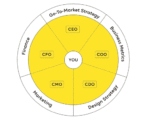
The Future London Academy – Mini-MBA for Designers & Creatives is designed specifically for creative professionals who want to bridge the gap between design and business. This intensive program combines strategic thinking, leadership development, innovation frameworks, and practical business knowledge into a learning experience tailored for designers, creative directors, product teams, UX specialists, and entrepreneurs.
Whether you work in branding, digital product design, marketing, advertising, fashion, architecture, or creative entrepreneurship, this program provides valuable insights that help professionals think strategically and lead confidently in competitive markets.
What Is the Future London Academy Mini-MBA?
The program is an advanced learning experience created for people working in creative industries who want to understand how successful businesses operate. Instead of focusing only on design execution, the course teaches participants how to make strategic decisions, build innovative products, manage teams, and communicate effectively with stakeholders.
Unlike traditional MBA programs that often require years of study and large financial commitments, this mini-MBA condenses the most relevant business principles into a practical format suitable for busy professionals.
Participants learn from industry leaders, creative directors, founders, strategists, and innovation experts from globally recognized companies and agencies. The curriculum blends theory with real-world examples, making it highly applicable to modern creative careers.
Why Business Skills Matter for Designers
Many talented designers struggle when transitioning into leadership roles because traditional design education rarely covers business strategy or management. Creative professionals often face challenges such as:
- Communicating ideas to executives
- Managing cross-functional teams
- Understanding financial goals
- Leading creative projects
- Scaling agencies or startups
- Aligning design with business objectives
- Building long-term innovation strategies
Developing business knowledge allows designers to become more influential inside organizations. Instead of simply executing tasks, they contribute to strategic decisions that impact company growth, customer experience, and market positioning.
The modern creative industry values professionals who combine creativity with commercial awareness. This is exactly where programs like this provide tremendous value.
Key Areas Covered in the Program
Design Strategy
One of the most important topics covered is strategic design thinking. Participants learn how design impacts customer perception, brand identity, product adoption, and business growth.
The course explores how companies use design to solve complex problems, improve user experiences, and differentiate themselves in competitive markets.
Strategic design includes:
- Customer-centered thinking
- Product positioning
- Brand consistency
- Innovation systems
- Experience design
- Long-term creative planning
Understanding these principles enables creatives to contribute beyond aesthetics and become valuable strategic partners.
Leadership and Team Management
Creative professionals often move into leadership positions without formal management training. This program helps participants develop leadership confidence and communication skills.
Topics commonly explored include:
- Managing creative teams
- Building healthy company culture
- Motivating team members
- Giving constructive feedback
- Conflict resolution
- Leading collaborative projects
- Presentation and storytelling techniques
Strong leadership skills are essential for anyone aiming to become a creative director, design lead, founder, or strategist.
Branding and Communication
Modern brands require much more than logos and visual systems. Successful branding depends on storytelling, emotional connection, positioning, and customer trust.
Participants gain insights into:
- Brand strategy
- Consumer psychology
- Market differentiation
- Visual communication
- Messaging systems
- Brand evolution
- Cultural relevance
This section is especially valuable for professionals working in advertising, marketing, UX, content creation, and digital branding.
Innovation and Future Trends
Innovation is one of the core pillars of successful businesses. Creative professionals must understand emerging technologies, changing consumer behavior, and industry trends.
The program often examines:
- Digital transformation
- AI and automation
- Future consumer expectations
- Emerging design methodologies
- Product innovation frameworks
- Startup culture
- Creative experimentation
This forward-thinking approach helps participants stay relevant in rapidly evolving industries.
Business Fundamentals for Creatives
Many creatives feel disconnected from financial or operational discussions. This course simplifies essential business concepts and explains them in a way that makes sense for design professionals.
Core business topics may include:
- Revenue models
- Pricing strategy
- Marketing fundamentals
- Organizational structures
- Growth strategies
- Client management
- Decision-making frameworks
- Business communication
Understanding these concepts empowers creatives to collaborate more effectively with business teams and executives.
Learning Experience and Teaching Style
One of the standout aspects of the program is its immersive and practical teaching style. Instead of relying only on lectures, participants engage in workshops, collaborative sessions, discussions, and real-world case studies.
The experience often includes:
- Interactive learning sessions
- Industry expert talks
- Group collaboration
- Practical assignments
- Networking opportunities
- Creative exercises
- Strategic thinking workshops
This structure creates an engaging learning environment where participants can immediately apply what they learn to real professional challenges.
Who Should Join This Program?
The program is designed for a wide range of creative professionals, including:
- UX/UI Designers
- Product Designers
- Graphic Designers
- Brand Strategists
- Creative Directors
- Marketing Professionals
- Agency Founders
- Entrepreneurs
- Art Directors
- Innovation Consultants
- Content Creators
- Digital Strategists
It is especially beneficial for professionals looking to move into leadership roles or expand their influence within organizations.
Career Benefits of Completing the Program
Completing an advanced creative leadership program can significantly improve career opportunities. Participants often gain stronger strategic thinking skills, increased leadership confidence, and better communication abilities.
Potential career benefits include:
- Improved leadership potential
- Stronger business understanding
- Better collaboration with executives
- Increased confidence in strategic discussions
- Expanded professional network
- Enhanced portfolio positioning
- Greater industry credibility
The knowledge gained can also help freelancers and entrepreneurs build stronger businesses and attract higher-value clients.
Networking Opportunities
One of the most valuable aspects of programs like this is the opportunity to connect with ambitious professionals from around the world.
Networking benefits may include:
- International creative connections
- Collaboration opportunities
- Industry insights
- Career partnerships
- Mentorship possibilities
- Exposure to diverse perspectives
Creative industries thrive on collaboration, and building strong professional relationships can lead to exciting future opportunities.
The Importance of Strategic Thinking in Creative Industries
Creative industries are evolving rapidly due to technological advancements and changing consumer expectations. Companies now expect creative teams to contribute directly to growth, innovation, and business success.
Strategic thinking allows creatives to:
- Understand customer behavior
- Create more impactful solutions
- Align projects with company goals
- Improve decision-making
- Influence product direction
- Drive innovation
Professionals who combine creative talent with strategic business understanding are becoming increasingly valuable across industries.
How This Program Stands Out
Many online design courses focus purely on technical skills. While technical expertise remains important, leadership and strategic thinking are what separate senior creative professionals from entry-level designers.
This program stands out because it:
- Focuses specifically on creatives
- Combines business and design thinking
- Features industry-leading experts
- Emphasizes practical learning
- Encourages collaboration and innovation
- Provides leadership-focused education
Instead of teaching isolated business theory, it translates business concepts into actionable insights relevant to creative careers.
Real-World Application
The lessons learned can be applied immediately across different professional situations, including:
- Managing design teams
- Launching creative startups
- Improving client communication
- Building stronger brands
- Leading innovation projects
- Creating strategic presentations
- Developing customer-focused products
This real-world relevance makes the learning experience especially valuable for working professionals.
Future of Creative Leadership
As industries become increasingly design-driven, the role of creative leaders will continue to grow. Companies are investing heavily in user experience, branding, innovation, and customer engagement.
Future creative leaders will need:
- Strategic vision
- Business understanding
- Leadership skills
- Emotional intelligence
- Cross-functional collaboration abilities
- Innovation mindset
Programs focused on these areas prepare professionals for long-term success in highly competitive industries.
Final Thoughts
The Future London Academy – Mini-MBA for Designers & Creatives offers an excellent opportunity for creative professionals who want to expand beyond traditional design roles and develop strategic business expertise.
By combining leadership training, innovation frameworks, branding knowledge, and business fundamentals, the program helps participants become more influential, adaptable, and future-ready professionals.
For designers, entrepreneurs, strategists, and creative leaders looking to strengthen both creative and commercial skills, this learning experience provides valuable insights that can positively impact career growth and long-term professional success.